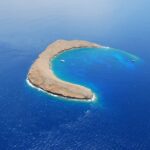
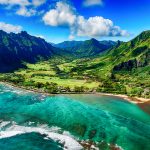
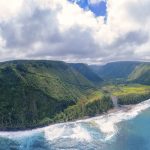
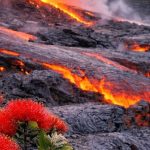
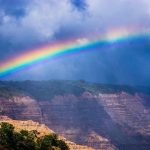
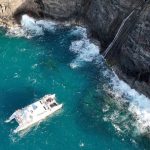
There are 7 inhabited islands in the Hawaiian chain. The 4 most popular with visitors are Oahu, home of the state capital city Honolulu; the island of Hawaii, locally known as the Big Island; and the smaller, less-populated islands of Maui and Kauai. Those looking to get off the beaten path for a real local-style Hawaiian experience can visit Lanai and Molokai. The Hawaiian Islands have such a wide range of natural environments, unique cultural influences, traditions, and possibilities for things to do that it is easy to please any taste and stay as busy as you like for as long as you want.
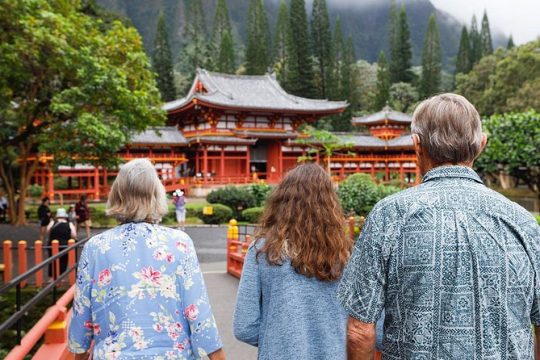
Get outdoors in the islands and go exploring rainforests, mountain trails, active volcanoes, and winding highways through stretches of remote coastal backcountry. Try snorkeling, diving, surfing, fishing and more in the place that offers some of the world’s best watersports action. Find great shopping and dining in urban yet exotic Honolulu. Take in museums, music, historical attractions, and cultural festivals that celebrate the original Polynesian explorers who settled Hawaii and the Puerto Ricans, Portuguese, Koreans, Japanese, Chinese and many others who followed them.
Connect with your personal island adventure here at Cool Hawaii where we offer a curated collection of the best things to do in Hawaii. Easy, secure online booking lets you take care of all the planning with one stop. No phone calls or waiting on hold, and all necessary vouchers and important information are delivered by email. But if you do have questions or just need a little help, just reach out to our friendly customer service team via phone, email, text, or live chat.
Hawaii Attractions
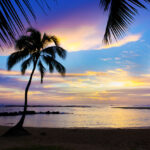
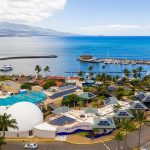
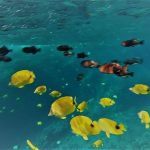
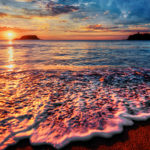
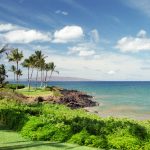
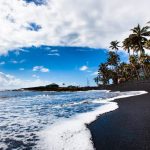
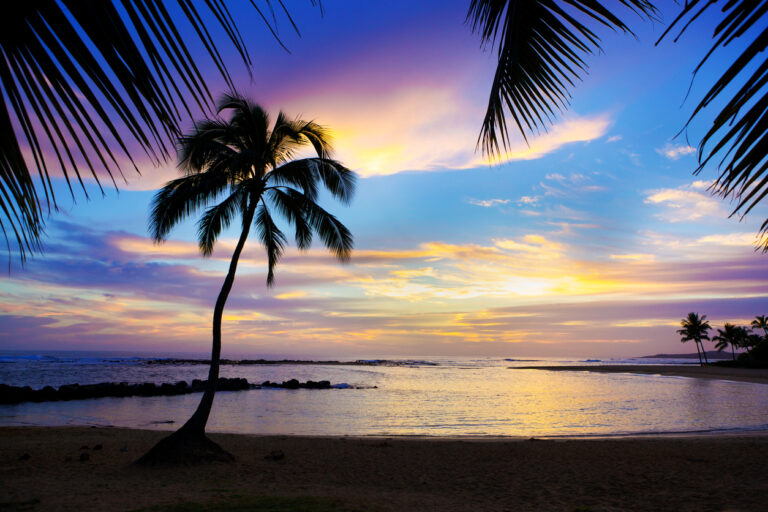
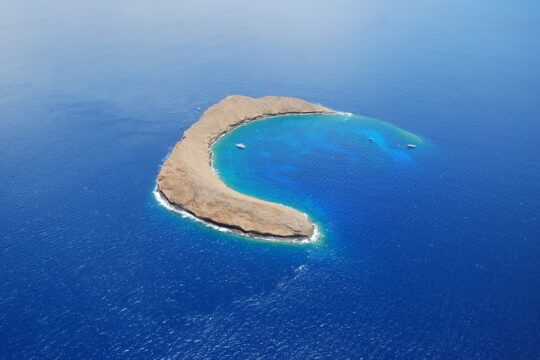
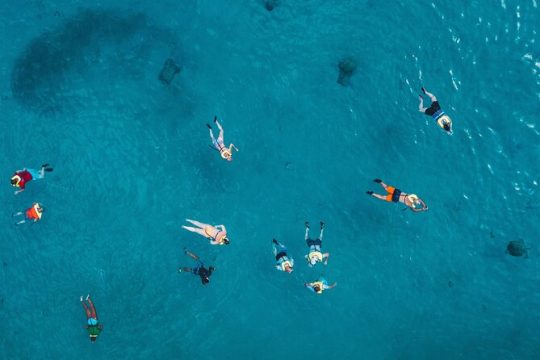
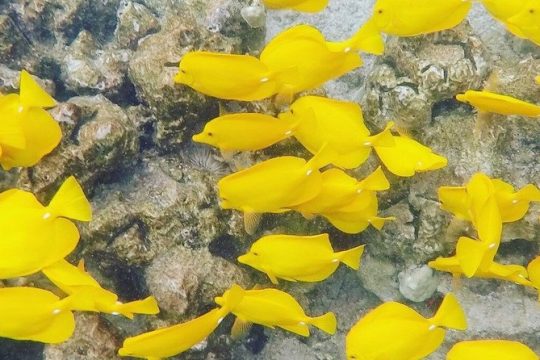
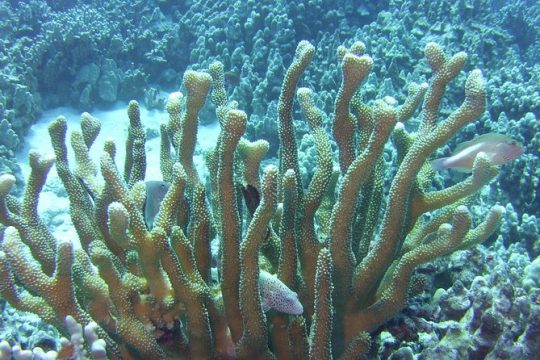
Palm-shaded beaches and warm blue water are the first things most people picture when they think of Hawaii attractions. Legendary Waikiki, classic playground of Hawaiian Kings and Hollywood stars; Kaanapali or Makena on Maui; tucked-away spots like Punaluu Black Sand Beach on the Big Island or Secret Beach on Kauai; you are never far from a beautiful beach in Hawaii. Enjoy the sun and sand or get in the water to swim, snorkel, or ride waves on a bodyboard, surfboard, or paddleboard.
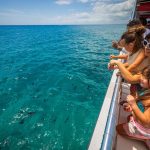
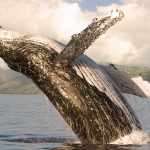
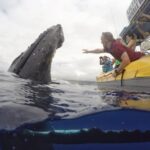
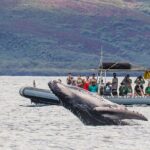
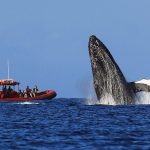
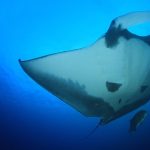
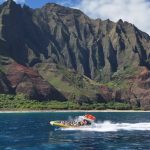
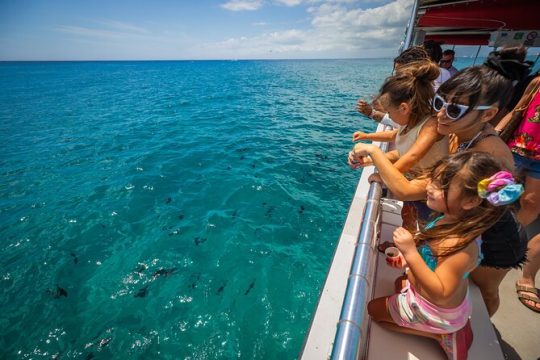
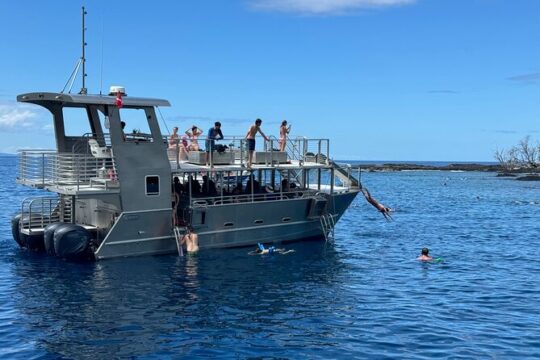
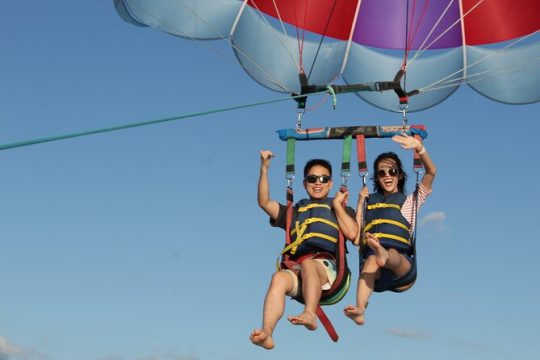
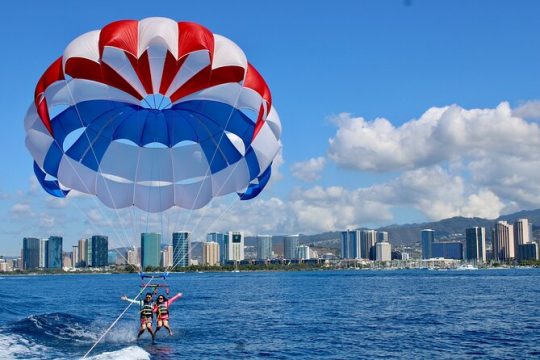
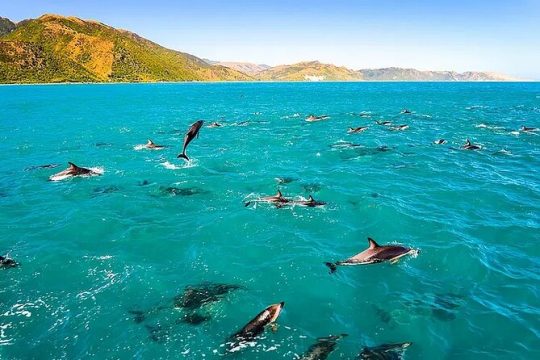
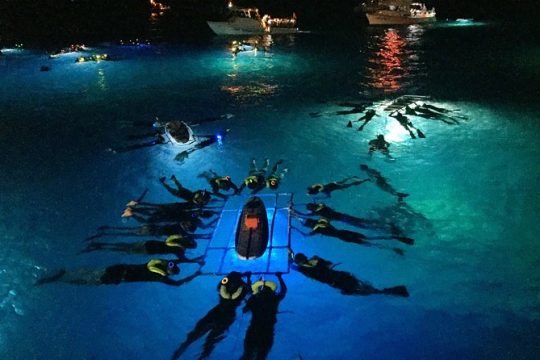
Out in deeper waters, popular Hawaii water tours and activities include whale-watching excursions, world-class big game fishing, scuba diving, sailing, sunset cruises, and more. Cruising the incredible Na Pali coastline of Northwest Kauai, watching humpback whales leap off the shores of Maui, or paddling an outrigger canoe in the gentle waves of Waikiki are all sure ways to make the vacation memory of a lifetime. Or stay on dry land and spend the day touring the island, heading into the mountains for some hiking or mountain biking, or exploring local shops and markets for island-style souvenirs.
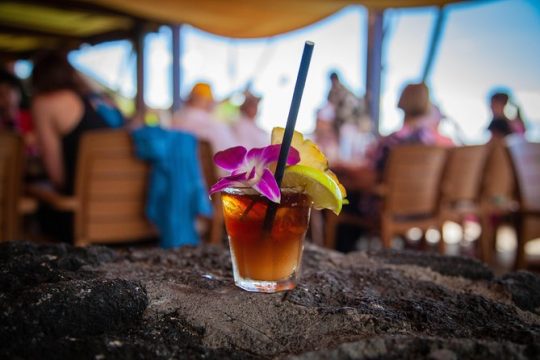
In the evening, toast an amazing day with a tropical cocktail at a beachfront restaurant, then sample some of America’s best cuisine. A fusion of Polynesian, Asian, Local, and International styles backed up with the freshest seafood makes dining in Hawaii a unique and wonderful experience. Depending on the island, you can either enjoy some nightlife after dinner or relax in the peace and quiet under a star-filled sky. Plan an early start for another busy day or just get ready to hit the beach again–it’s Hawaii, and the local guideline is "hang loose".
Recommendations: The Best Things to Do in Hawaii
The Hawaiian Islands are so full of wonder that every visitor is going to have their own list of best things to do in Hawaii. And a lot depends on which island you visit because each has its own special features.
Things to do in Oahu
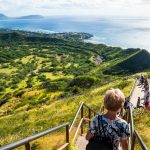
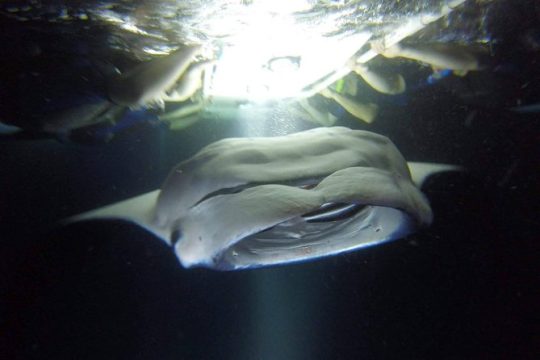
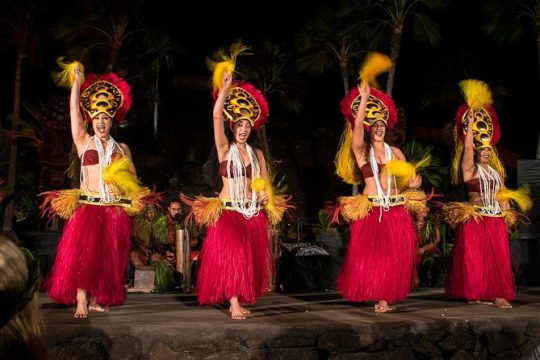
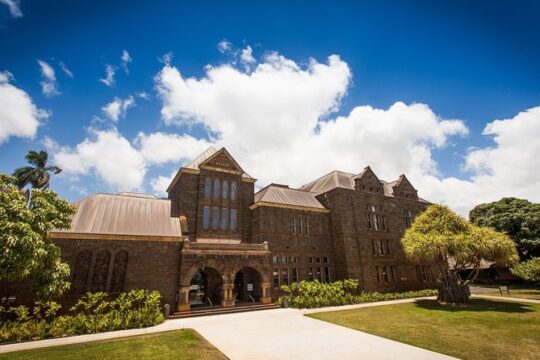
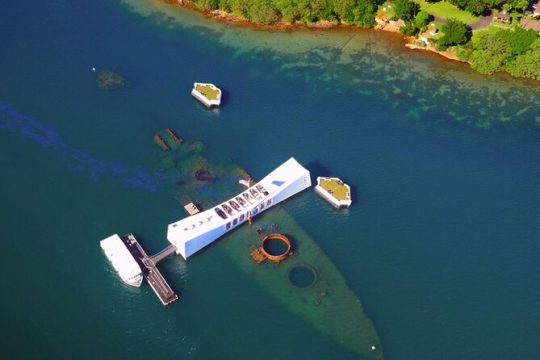
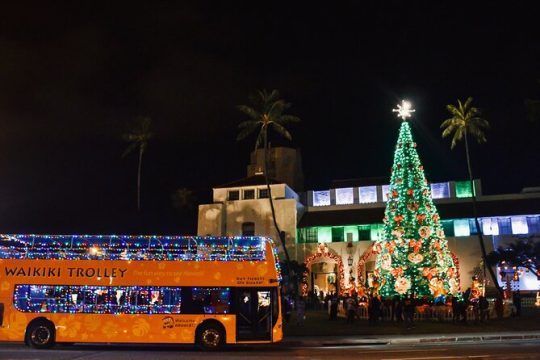
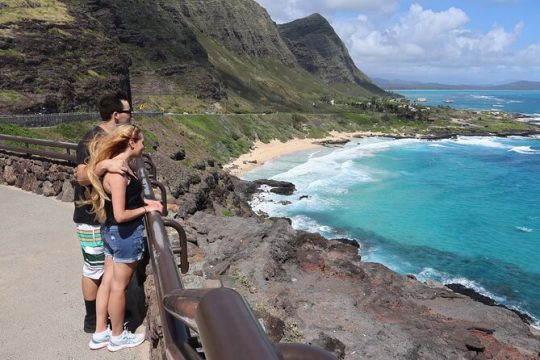
Oahu, once home of Hawaiian royalty and at the center of Hawaiian history, is the most populated island. Oahu combines urban amenities—a bustling downtown, shopping malls, historic resort hotels like the Moana Surfrider and the Hilton Hawaiian Village, museums and galleries, dining from gourmet to casual—with a rugged coastline and jungle-covered mountains starting practically at the city’s edge. Ride the trolley and shop along Kalakaua Avenue, visit Pearl Harbor and the Battleship Arizona Memorial, climb Diamond Head, and find adventure with anything from surfing, snorkeling, and shark diving to traditional luau feasts and hula shows.
Things to do in Maui
Maui is renowned for scenic beauty and luxurious resorts. Voted the Best Island in the U.S. by Condé Nast Traveler for over 20 years running, Maui has one feature unmatched anywhere on Earth: the world’s tallest mountain. The volcano Haleakala rises over 35,000 feet as measured from the sea floor, with 10,000 feet being above sea level. Sunrise from Haleakala is a do-not-miss experience; follow it up with a mountain bike cruise from the peak to the valley floor through spectacular scenery the entire route. Then stroll the historic whaling village of Lahaina, take a whale-watching cruise into the heart of humpback whale wintering grounds, play a round of golf at world-famous Kapalua, or hit one of the incredible beaches for sun, snorkeling, and surf. You will see why locals say Maui No Ka Oi–Maui is the best.
Things to do on Big Island
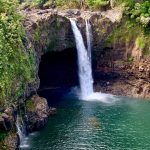
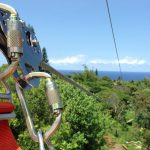
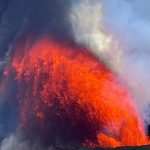
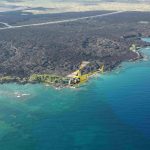
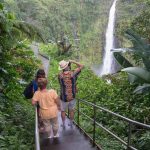
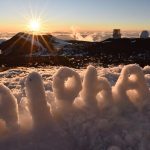
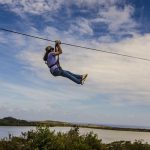
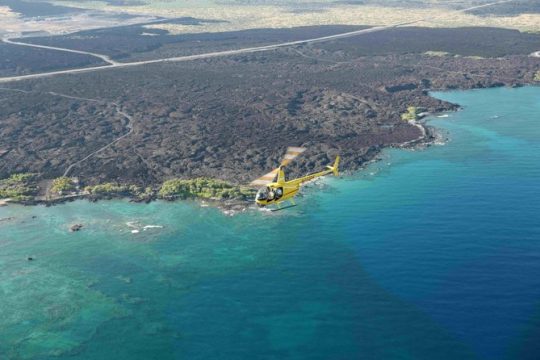
The Big Island as locals call it, is Hawaii—the island that the Hawaiian archipelago is named for. The Big Island is the largest and most volcanically active island, a place where unspoiled nature is the major attraction. Hilo, the largest city has a population of just over 40,000. Beautiful water, rich coral reefs, and empty beaches ring the island. Inland, waterfalls plunge into remote jungle valleys, broad rolling grasslands were once home to cattle ranches and the paniolo, or Hawaiian cowboy, and the Mauna Kea volcanic highlands sometimes see snow. Enjoy excellent marine life watching, zip-line over lush rainforest, experience rich Hawaiian culture including traditional hula, and try a delicious seafood dinner accompanied by locally-brewed beer or famous Kona coffee.
Things to do in Kauai
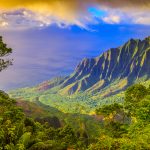
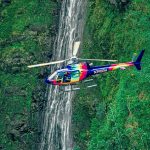
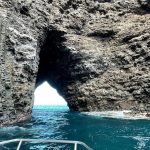
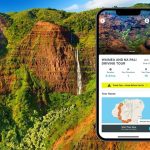
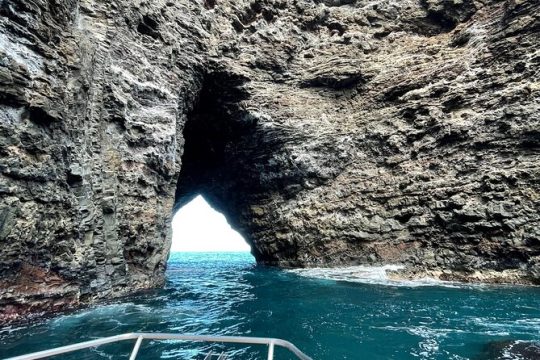
Kauai is the get-away spot for visitors seeking relaxation and romance in an atmosphere of awe-inspiring natural beauty. Nicknamed the Garden Isle, Kauai is dominated by untracked jungle-covered mountain ranges. The largest town has barely 12,000 people, the island’s interior is vast and remote, and many points on the island are reachable only by air or boat. Take a scenic cruise along towering cliffs of the Na Pali coast, often called one of the wonders of the world. Search out hidden beaches, snorkel and scuba dive on pristine coral reefs, sea kayak along untouched coastline, zip-line across the forest, and return to the small-town vibe of Hanalei for happy hour drinks and snacks. Kauai offers plenty of fun for everyone, but is a special place for couples. The Garden Isle brings honeymooners and all other lovers closer with peaceful seclusion and easy-going activities like surf lessons, snorkeling trips, yoga sessions, and ukulele classes.
Once you know what draws you to Hawaii, the next questions are practical ones: which island suits you, where to stay, when to go and how to fit it all into the days you have. The notes below are meant to help you sort those choices out before you start filling in a schedule, so each day feels unhurried and you spend more time outside than in transit.
Matching an Island to Your Travel Style
A good way to choose is to start with the kind of trip you want rather than a list of sights. If you like having restaurants, shops and evening plans within a short walk, Oahu is the easy pick, and you can still reach quiet beaches and green ridges in under an hour by car. If you picture long resort days broken up by a sunrise drive or a morning on the water, Maui fits that rhythm well. The Big Island rewards travelers who enjoy road trips and big contrasts, since one island holds lava fields, rainforest, snowy summits and dry ranch country. Kauai is the choice for slow days, short drives and plenty of green.
Molokai and Lanai sit a little apart from all of this. They have few roads, very small towns and only a handful of organized outings, so they work best as a calm add-on for travelers who are happy to make their own plans.
Towns Worth Using as a Base
Honolulu is the main gateway and the busiest base in the islands. Staying in or near the city puts you close to the airport, the cruise piers, museums and the widest choice of guided days out. On Maui, Kihei on the sunny south shore is a practical base with condos, beach parks and calm morning water, while the West Maui coast around Lahaina is rebuilding after the wildfire that swept through the old town, so check what has reopened before you plan time there.
On the Big Island, Hilo on the wet east side is a relaxed, old-fashioned town and the closest base for the volcano country, waterfalls and botanical gardens. The drier Kona side is where most resorts and sunny beaches cluster, which is why many visitors split their stay between the two sides rather than crossing the island and back in one long day.
Seasons, Weather and Ocean Conditions
Hawaii is warm all year, and the seasons are mild rather than dramatic. Winter brings more showers, cooler evenings and the big swells that make north-facing shores famous for surfing and risky for swimming. It is also when humpback whales are in local waters. Summer is usually drier, the north shores often calm down, and south-facing beaches pick up their own swells.
Within a single island the weather can change a lot over a short drive. Windward coasts catch the trade winds and most of the rain, which keeps them lush, while leeward coasts stay sunnier and drier. Mountain summits can be near freezing before dawn, so pack a warm layer even on a beach holiday. Read posted warning signs, ask lifeguards about currents, and treat stream crossings with care after heavy rain.
Arriving by Cruise Ship
Many visitors see the islands from the deck of a ship, with a day or two in each port. Honolulu is the main port for starting and ending an inter-island cruise, and ships also call at Hilo and Kona on the Big Island, Kahului on Maui and Nawiliwili on Kauai. A port day is short, so the best plans are ones that keep driving time low and get you back on board with time to spare.
Shore excursions and port-of-call outings are built around those hours, and transfers between the pier, your hotel and the airport take care of the days at either end of the cruise. If you are not joining a guided outing, allow a margin for traffic and keep the ship's all-aboard time in mind.
Choosing Activities by Interest
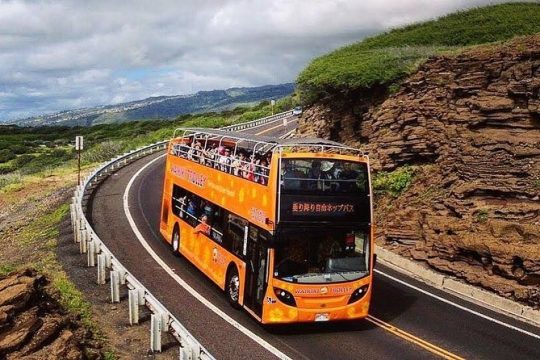
Sightseeing tours by bus or minivan are a relaxed way to see the main highlights of an island in a single day, especially if you would rather not drive unfamiliar roads. Full-day trips and longer excursions suit travelers who want to reach far corners such as the summit roads, remote valleys or the far side of an island. Private and custom tours let you set the pace, which helps with young children, older travelers or a group that wants to linger.
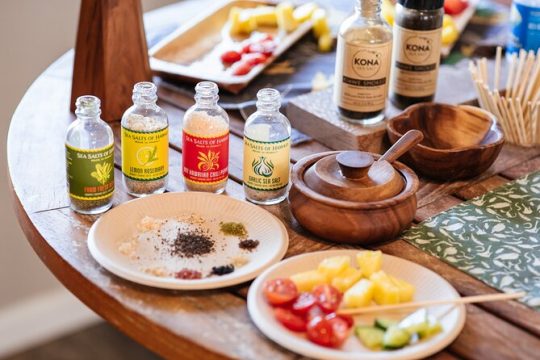
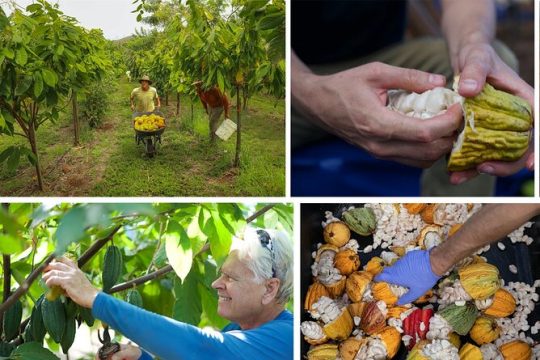
For special occasions, there are private dinners, sunset sails and other upscale outings that work well for a honeymoon, a milestone birthday or an anniversary. Cultural and theme tours cover Hawaiian history, food, crafts and language, while outdoor activities range from gentle garden walks to long hikes, horseback rides and off-road drives across ranch land.
Planning Days Across Islands
Getting between islands almost always means a short flight, since there is no regular ferry linking most of them, so each move costs you most of a morning or an afternoon. As a rough guide, give each island at least four or five nights and avoid hopping more than twice on a trip of a week or two. Most visitors arriving from the mainland wake up early for the first few days, which makes those mornings ideal for sunrise outings, early hikes and calm water.
Leave the busiest, most active day for the middle of your stay at each place, and keep the last day light in case of flight changes or bad weather. Some popular parks, trailheads and sunrise viewpoints ask for advance reservations, so look into those early, before you set the rest of your days.
Traveling With Respect for the Islands
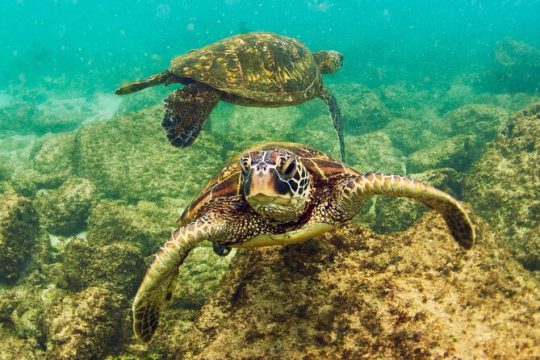
Hawaii has its own culture and its own laws, and a little care goes a long way. Wear reef-safe sunscreen, since sunscreens with certain chemicals that harm coral are not sold in the state. Give sea turtles and resting monk seals plenty of space, stay off coral, and keep to marked trails, as many inviting paths cross private or sacred land.
Learning a few words helps too: mauka means toward the mountains, makai means toward the sea, and mahalo means thank you. Drive with patience on narrow country roads, wave others through at one-lane bridges, and you will fit right in with the easygoing pace that locals value. Show less